From Engines to Electronics: The Versatile World of Ceramic Matrix Composites

Share
Imagine materials that defy intense heat yet remain lighter than your backpack. These remarkable materials exist. Moreover, they are changing how we construct everything from aircraft engines to microprocessors. By combining ceramics and composites, we can merge each material’s strength and adaptability. Researchers and technologists value them since they tackle issues that were thought to be unsolvable not long ago.
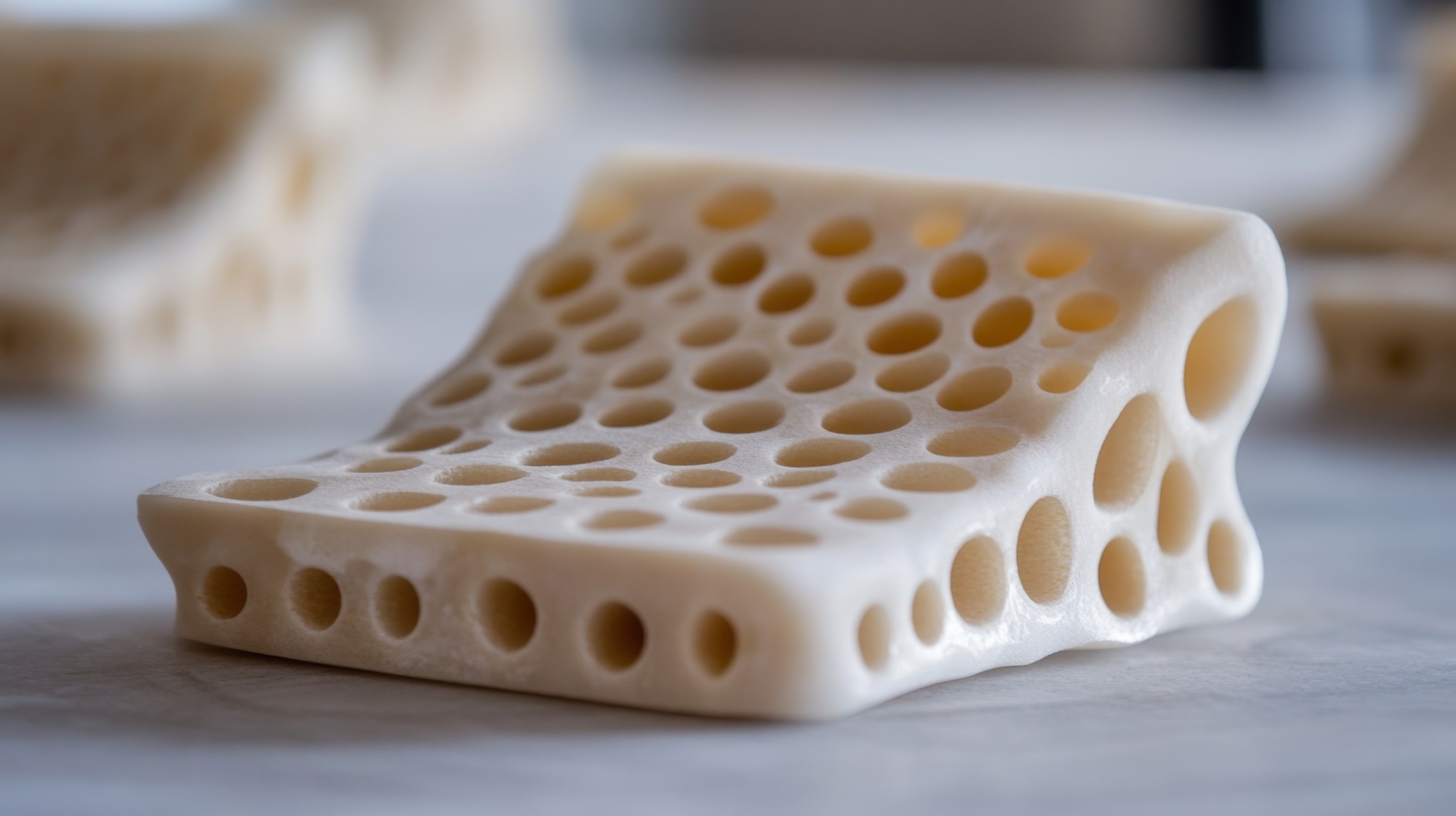
Explore a ceramic composite matrix designed for aerospace applications. This innovative structure highlights advanced engineering and material properties essential for modern technology.
What Makes These Materials Special?
Consider these advanced materials as a team of superheroes. Ceramics offer remarkable heat tolerance. Composites provide durability and adaptability. When you merge them, magic happens. The outcome can endure heat that could liquefy steel while being significantly lighter than conventional metals.
Common ceramics shatter readily upon impact with the ground. Cast your mind back and think about your grandmother’s china? One slip and it’s game over. However, these new materials address that flaw. They flex rather than shattering. They extend rather than breaking. Engineers refer to this as “damage tolerance,” but you might consider it as inherent forgiveness.
The key is in the small fibers threaded throughout the ceramic. These fibers function as a safety net. As cracks attempt to extend, the fibers intercept them and prevent further harm. It’s akin to having countless little guardians safeguarding the material from damage.
Powering the Skies
Aircraft engines favor these materials for a valid reason. Contemporary jet engines operate at extremely high temperatures internally. Conventional metals start to lose their strength and firmness at these temperatures. According to the people at Axiom Materials, that’s when ceramic matrix composites come in to rescue the situation.
These substances allow engines to operate at higher temperatures than previously. Hotter engines use fuel more effectively. Engines that are more efficient reduce costs and benefit the environment. Airlines are pleased when their fuel expenses decrease. Travelers grin when airfare is lower.
The reduction in weight is also important. Every pound matter when you’re battling gravity at 30,000 feet. Reduced weight of engine components results in a lighter overall aircraft. Reduced weight results in improved fuel efficiency and extended flight distances.
Electronic Marvels
Your smartphone becomes warm with extensive use. Computer processors produce significant heat during intense usage. Electronic devices require materials capable of withstanding this heat while safeguarding the sensitive circuits within. These sophisticated materials are highly effective at regulating heat in electronic devices. They remove heat from delicate parts and distribute it securely. This process guarantees the effective operation of your devices while simultaneously protecting them from the possibility of overheating and subsequent harm.
For space missions and other applications, these materials play a vital role. As satellites orbit the Earth, they experience extreme and sudden shifts in temperature. They are in sunlight one moment, darkness the next. Few materials can endure such stress without breaking or distorting.
Industrial Applications
Power plants utilize these materials in their most extreme sections. Steel mills rely on them for lining their furnaces. Chemical facilities rely on them in demanding processing conditions. The automotive sector utilizes them in brake systems and engine parts. These materials excel in the production of machinery. They help machines run faster and last longer. Manufacturers want reliable machinery that makes good products.
Looking Ahead
Researchers are constantly enhancing these substances each year. They are boosting their strength, trimming their mass, and making them cheaper. With innovative manufacturing methods, both production and costs are quickly improved.
Conclusion
These extraordinary materials connect our needs with what can be achieved. They resolve heat issues that baffled engineers for decades. From the engines that drive our flights to the electronics that link our world, they’re silently enhancing overall performance.