Weathering the Storm: The Role of Ship Management in Enhancing Maritime Safety

Share
Safety is one of the most important responsibilities in global shipping. With thousands of vessels crossing international waters every day, the ability to operate safely, respond to emergencies and manage risks is what keeps crews protected and supply chains running. Much of this responsibility sits with ship management teams. They are not only responsible for making sure vessels are in good working order but also for preparing ships and crews to deal with the unpredictable conditions that come with working at sea.
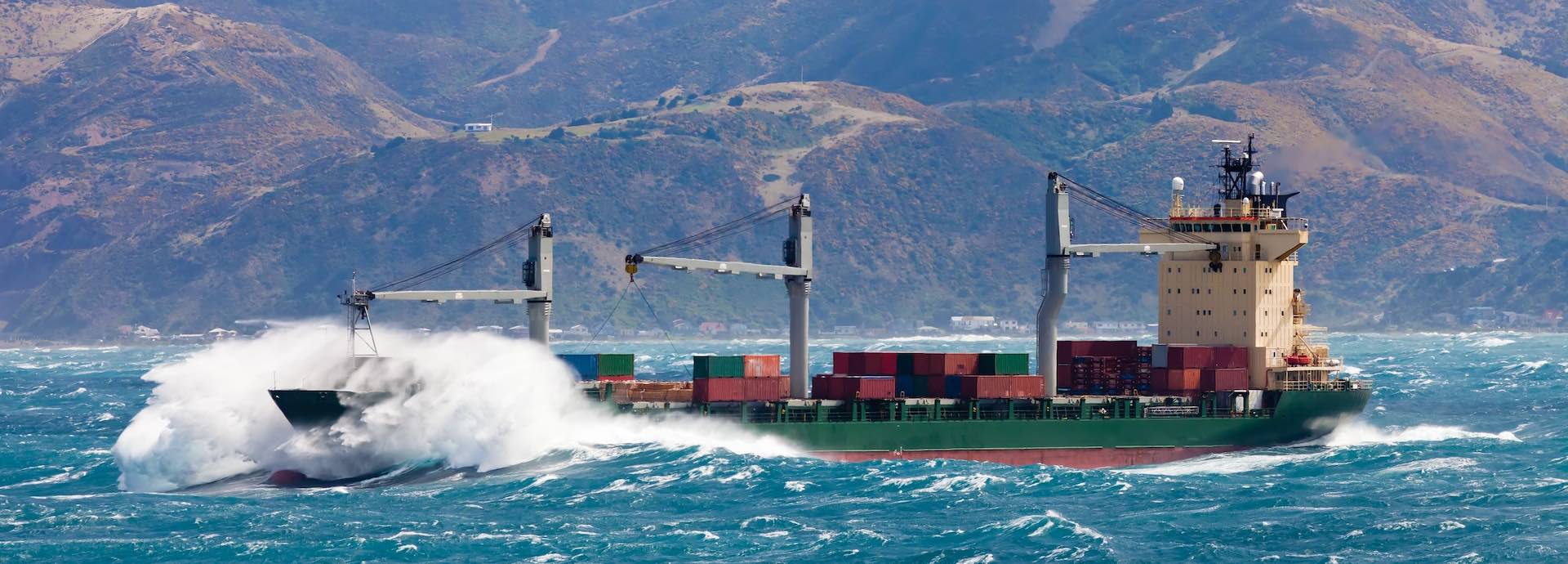
Ship management plays a key role in creating and maintaining safe maritime operations. From planning maintenance to monitoring the weather, from training crews to complying with international safety standards, it is a job that requires constant attention to detail and the ability to respond quickly when problems arise.
Preventative Maintenance and Equipment Reliability
Keeping vessels safe starts with maintaining the systems and machinery that keep the ship running. Faulty engines, broken steering systems or worn-down equipment can put lives at risk, especially during bad weather or emergency situations. Ship management companies use scheduled maintenance programmes and onboard monitoring systems to reduce the chance of technical failure.
Most operators follow planned maintenance systems (PMS) that include regular checks and servicing across all critical areas. In recent years, more companies have introduced condition-based monitoring, where data from sensors is used to detect early signs of wear or failure. This helps technical teams carry out repairs before a part becomes dangerous. For example, vibration analysis or thermal imaging can highlight problems with bearings or electrical circuits long before they fail.
Maintaining up-to-date records and ensuring that spare parts are readily available also improves the vessel’s ability to remain safe and operational, especially when far from port.
Crew Training and Emergency Readiness
A ship’s crew is central to safe operations. Ship management teams are responsible for making sure every crew member is properly trained and understands their role during both routine tasks and emergency scenarios.
This includes mandatory training under the STCW Convention (Standards of Training, Certification and Watchkeeping), which covers firefighting, personal survival techniques, first aid and safety awareness. Beyond this, many companies invest in additional drills and simulations. These might include abandon-ship procedures, man-overboard recovery or engine room fires. Regular practice helps crews respond quickly and calmly under pressure.
Training also covers the use of lifesaving equipment, such as life rafts, breathing apparatus and emergency position-indicating radio beacons (EPIRBs). Ship managers must make sure all equipment is regularly tested and clearly accessible so it can be used properly in an emergency.
Voyage Planning and Weather Monitoring
Weather is one of the biggest safety risks in shipping. Storms, rough seas and high winds can damage cargo, injure crew and delay operations. Ship managers work closely with captains and navigation officers to develop detailed voyage plans that take expected weather conditions into account.
Using route optimisation software and meteorological data, ships can be guided along safer paths or delayed to avoid dangerous conditions. Real-time updates can be sent to the bridge, allowing crews to adjust course or speed if unexpected weather appears.
This kind of dynamic planning helps reduce the risk of grounding, capsizing or cargo loss. It also improves fuel efficiency and reduces the wear and tear on the vessel caused by heavy seas. For the management team, having shore-based support means that decisions are not left solely to the crew onboard. When weather changes suddenly, there is a team on land ready to provide advice, logistics and coordination with port authorities.
Safety Management Systems and Compliance
All ships must follow a set of safety rules, but how well they’re followed depends on the systems in place. Ship managers are responsible for creating and enforcing Safety Management Systems (SMS) as required under the International Safety Management (ISM) Code. This is a structured framework that outlines procedures for safe operations and emergency responses.
A good SMS includes clear instructions for crew conduct, maintenance schedules, incident reporting, hazard identification and risk assessments. Managers ensure these procedures are updated regularly and properly understood by all crew members. Internal audits and external inspections help verify that safety practices are not only documented but actually followed in day-to-day operations.
Documentation, logs and records are a major part of compliance. If an incident occurs, these records show what was in place and how the ship was being managed at the time. It also supports insurers and flag states when reviewing the cause of accidents or delays.
Communication and Crisis Coordination
In any emergency, clear communication is essential. Ship management teams must maintain reliable channels between the vessel and shore offices. This ensures that problems can be reported quickly and support can be coordinated without delay.
Most modern vessels are equipped with satellite communications, email systems and ship-to-shore management software. This allows information such as position, weather, equipment status and crew health to be shared with the shore team. In a crisis, this connection becomes vital. Ship managers can arrange medical evacuation, reroute the ship to a safe port or coordinate with search and rescue services depending on the situation.
Crisis response planning is part of the broader duty of care. Management teams develop contingency plans for various types of emergencies including fire, collision, flooding and piracy. These plans are reviewed, tested and adjusted based on feedback from drills and incident reports.
Supporting Safety Through Culture
A key part of improving maritime safety is developing a safety-first culture across the entire operation. Ship managers are in a strong position to lead this by setting expectations, rewarding safe behaviours and ensuring that safety isn’t sacrificed for speed or cost-cutting.
This includes encouraging crews to report near-misses, raising awareness of fatigue risks and making space for feedback without fear of blame. In many companies, safety officers onboard regularly liaise with shoreside teams to discuss improvements and lessons learned from past incidents.
When safety is built into every part of operations, from the design of workspaces to the scheduling of rest periods, it becomes much easier to avoid accidents and protect both people and the environment.
Final Thoughts
The role of ship management in maritime safety is both wide-ranging and vital. From maintaining the ship’s systems to supporting crews and planning routes, every decision plays a part in reducing risk and improving outcomes at sea.
Effective ship management is not just about ticking boxes or following regulations. It’s about building strong foundations that allow vessels to operate confidently, even in difficult conditions. As shipping becomes more complex and global trade continues to grow, the systems and strategies used by ship managers will remain central to keeping operations safe, reliable and sustainable.